How CBT works
A situation sets off a thought; the thought shapes a feeling; the feeling drives what you do, which often seems to prove the thought right. CBT slows that chain down so you can see it, test the thought against what actually happens, and try a different response.
What sessions look like
CBT is practical and structured. You agree on goals, work on one pattern at a time, and do small exercises between sessions, such as noting thoughts, testing a prediction or facing a feared situation step by step. At The Healing Thread, CBT is often combined with breathwork or somatic exercises, because a calmer body makes new thinking easier.
What the evidence says
CBT is one of the most researched talking therapies. The NHS uses it for anxiety, depression, panic, phobias and other conditions, and the World Health Organization recommends a trauma-focused form of CBT for PTSD.
Try this: the two-column worry list
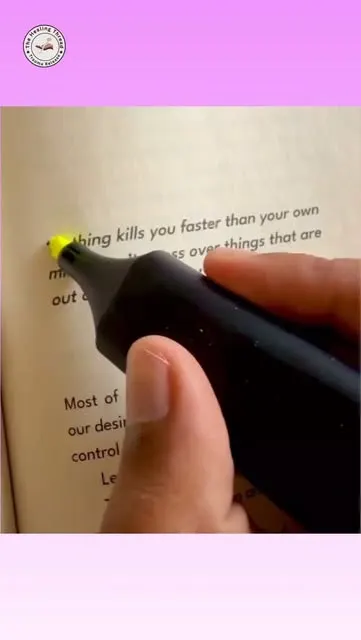
A CBT exercise I shared for World Mental Health Day.
- Write down what is worrying you.
- Make two columns: "I can act on this" and "I cannot control this".
- Choose one small thing from the first column, and do it today.
- For the second column, remind yourself: "I don't have to solve what I cannot control."